
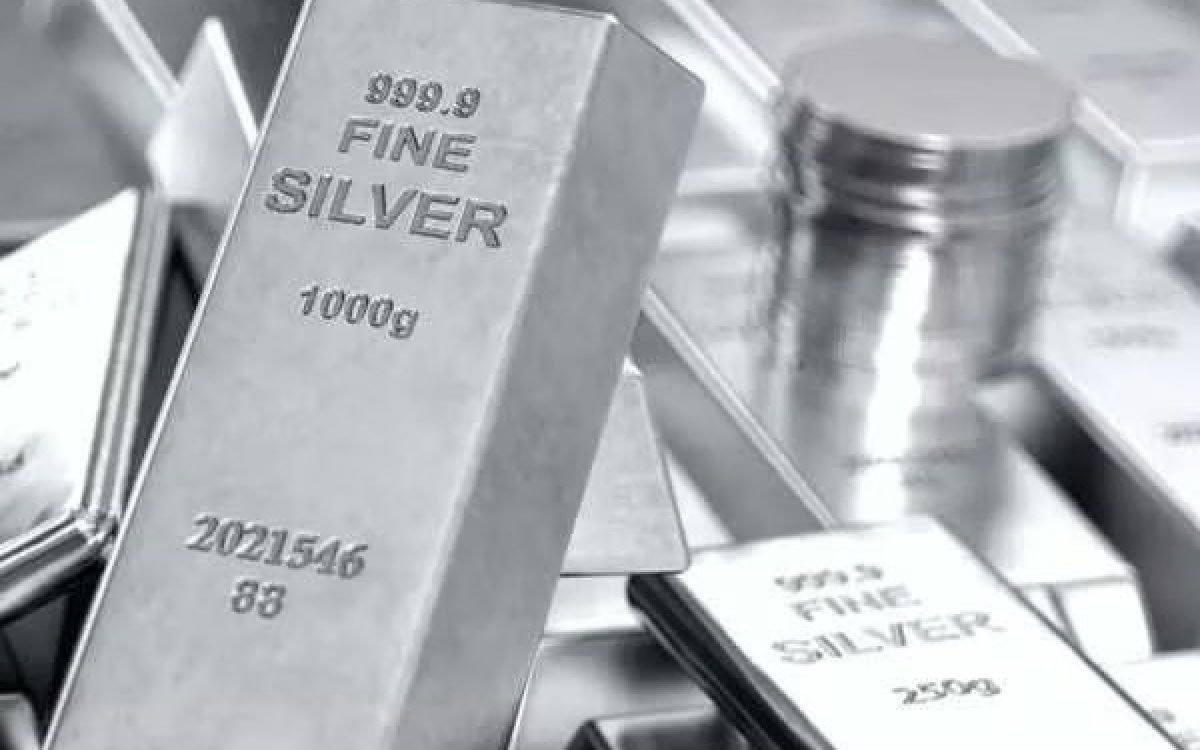
Silver prices saw a sharp and sudden reversal on Monday, crashing after hitting record highs earlier in the session. The fall was driven by aggressive profit booking, easing geopolitical tensions, and tighter trading conditions imposed by global exchanges.
MCX Silver Slides ₹21,000 in One Hour
On the Indian commodity market, March silver futures plunged by nearly ₹21,000 per kg, crashing to an intraday low of ₹2,33,120 per kg within just an hour during afternoon trade.
The selloff followed a powerful rally that had pushed prices to an all-time high of ₹2,54,174 per kg earlier in the day. Once prices reached extreme levels, traders moved quickly to lock in profits, triggering a rapid and heavy decline.
Global Silver Retreats After Breaching $80
In international markets, silver briefly surged above the $80 per ounce mark for the first time amid highly volatile trading. However, the rally proved short-lived, with prices later slipping below $75 per ounce as profit-taking intensified.
Market sentiment cooled after reports of progress in peace discussions between the US and Ukraine. Comments suggesting that negotiations were moving closer to a potential agreement reduced immediate safe-haven demand, prompting investors to cut exposure to precious metals.
Broad Profit Booking Across the Bullion Complex
The decline in silver was part of a broader selloff across the bullion complex, as easing geopolitical risk reduced the appeal of defensive assets. Gold and other precious metals also witnessed profit booking during the session.
Silver’s sharp fall was amplified by its 181% year-to-date rally, which had significantly outperformed gold. Such steep gains left prices vulnerable to abrupt corrections once sentiment shifted.
Margin Hike Adds to Selling Pressure
Adding to the pressure was a margin hike by a major global derivatives exchange. With effect from Monday, the initial margin requirement for March 2026 silver futures was raised to around $25,000, up from $20,000 earlier this month.
Higher margin requirements force traders to deploy more capital per contract, often leading to liquidation of leveraged positions—especially after steep price rallies.
Warning Signs After a Parabolic Run
Market analysts warned that precious metals had entered a parabolic phase, cautioning that such moves rarely correct gradually.
“Parabolic rallies typically end with sharp downside reactions rather than slow consolidation,” analysts noted, highlighting the risk of further volatility.
Why Silver Had Rallied So Strongly
Before the crash, silver prices had surged on the back of:
Its designation as a critical mineral in the US Tight global supply and constrained mine output Low inventories Rising industrial demand, particularly from clean energy and electronics Strong investment inflows driven by geopolitical uncertainty
Monday’s sharp move, however, underscored how quickly momentum-driven markets can reverse.
Outlook: Volatility Likely to Persist
With geopolitical tensions easing and trading costs rising, silver is likely to remain volatile in the near term. Further correction or consolidation cannot be ruled out. At the same time, any renewed global uncertainty or supply disruption could quickly revive safe-haven demand.
For now, the message from the market is clear:
After a parabolic rally, silver has entered a reset phase—where sharp swings, not steady gains, define the trend.