
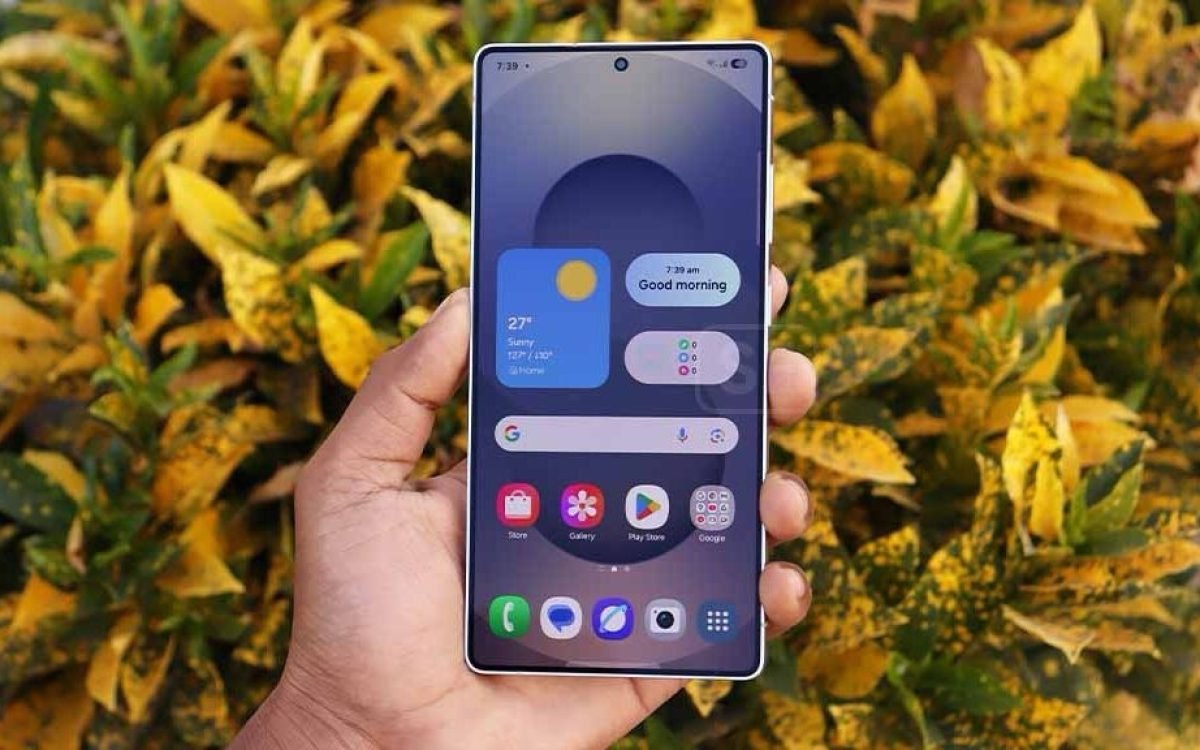
As 2025 comes to an end, Samsung is lining up a high-stakes start to 2026. CES in Las Vegas will set the tone, followed closely by the launch cycle of the Galaxy S26 series. On the surface, it looks like another confident flagship year. Underneath, Samsung is dealing with serious pressure—from rising component costs to semiconductor strategy shifts that directly affect smartphone pricing.
This is not a hype problem. It’s a margin problem.
Table of Contents
Galaxy S26 Series: Price Complications Exynos Modem and In-House GPU Push WideFold and TriFold Strategy One UI 8.5 Global Expansion HBM4 and Semiconductor Momentum CES 2026 Outlook
Galaxy S26 Series: Price Complications
The Galaxy S-series remains the most successful premium Android lineup globally. Performance and features aren’t the issue—pricing is.
Reports suggest Samsung has not yet finalized pricing for the Galaxy S26 series, expected to include Standard, Pro, and Ultra variants. The delay is being driven by escalating supply-chain costs that are becoming harder to absorb year over year.
What’s Driving Prices Up?
1. Memory costs
The AI boom has reshaped the semiconductor industry. Manufacturers are shifting production from conventional DDR and LPDDR memory toward high-margin HBM (High Bandwidth Memory) used in AI accelerators. The result is lower availability for smartphone memory and a sharp price increase. Analysts expect 30–40% higher memory prices heading into 2026.
2. OLED displays and camera modules
Advanced OLED panels and increasingly complex camera systems continue to rise in cost, especially with higher brightness targets and larger sensors becoming standard.
3. Snapdragon dependency
Qualcomm’s flagship chips remain one of the most expensive components in Samsung’s bill of materials, particularly in regions where Snapdragon versions are mandatory.
Samsung is stuck between two bad options:
Raise prices and risk demand slowdown Hold prices and take a margin hit
Current Price Context
The Galaxy S25 lineup launched at:
Standard: $799.99 Plus: $999.99 Ultra: $1,299.99
These prices were unchanged from the S24 series, even though the Ultra had already increased by $100 compared to the S23 Ultra. Repeating a similar increase with the S26 could push consumer tolerance to its limit.
Screen Size Shake-Up?
An unconfirmed rumor suggests Samsung may increase the Plus model’s display size to nearly match the Ultra. Currently, the Plus sits at 6.7 inches, while the Ultra reaches 6.9 inches. If true, this would blur product segmentation and potentially justify pricing adjustments—but for now, it remains speculation.
Exynos Modem and In-House GPU: A Strategic Reset
To regain cost control, Samsung is pushing hard to revive its in-house silicon strategy. Next-generation Exynos chips paired with an internally developed GPU are central to this plan.
The goal is clear:
Reduce reliance on third-party chipmakers Improve long-term margins Gain tighter hardware-software integration
That said, Samsung is expected to continue using Snapdragon chips in key markets for the Galaxy S26 series. User perception and real-world performance will ultimately decide how quickly Exynos regains wider adoption.
WideFold and TriFold: Expanding Beyond the Slab
Samsung isn’t relying solely on traditional smartphones for growth.
WideFold is aimed at productivity users who want a broader folding display. TriFold experiments with multi-hinge designs that could redefine portability and multitasking.
These concepts strengthen Samsung’s lead in foldables, especially as competitors remain cautious. The challenge is scalability—foldables must move beyond niche pricing to drive meaningful volume.
One UI 8.5: Wider Global Reach
Samsung is also leaning into software differentiation. The One UI 8.5 beta is expanding to more regions, signaling faster rollouts and stronger global parity.
As hardware prices rise, long-term software support, stability, and AI-driven features are becoming key decision factors for buyers.
HBM4 and Semiconductor Momentum
Samsung’s semiconductor division is entering 2026 with strong momentum, driven by new HBM4 deals tied to AI infrastructure growth. From a business perspective, this is a win.
From a smartphone perspective, it’s a double-edged sword.
The same shift that boosts semiconductor profits is tightening memory supply for consumer devices, directly contributing to higher phone production costs.
CES 2026: Setting the Narrative
At CES 2026, Samsung is expected to showcase:
New consumer electronics Foldable innovations AI-driven hardware and semiconductor progress
CES will define the story—but Galaxy S26 pricing will define the outcome.
The Reality Check
Samsung is not short on innovation. The problem is alignment.
Costs are rising faster than consumer willingness to pay Exynos must prove itself again Foldables need scale, not just novelty Semiconductor success is pressuring smartphone margins
The Galaxy S26 series could be one of Samsung’s most refined flagships yet—but pricing will decide whether 2026 is about growth or damage control.
This isn’t a technology challenge anymore.
It’s a business one.