The recent joint statement issued by the G-33 group of countries underscores a pressing concern regarding the stagnation in agriculture trade negotiations within the World Trade Organisation (WTO). Comprising 47 developing and least developed nations, the G-33 group emphasizes the imperative of finding resolutions to critical issues surrounding public stockholding of grains for food security purposes.
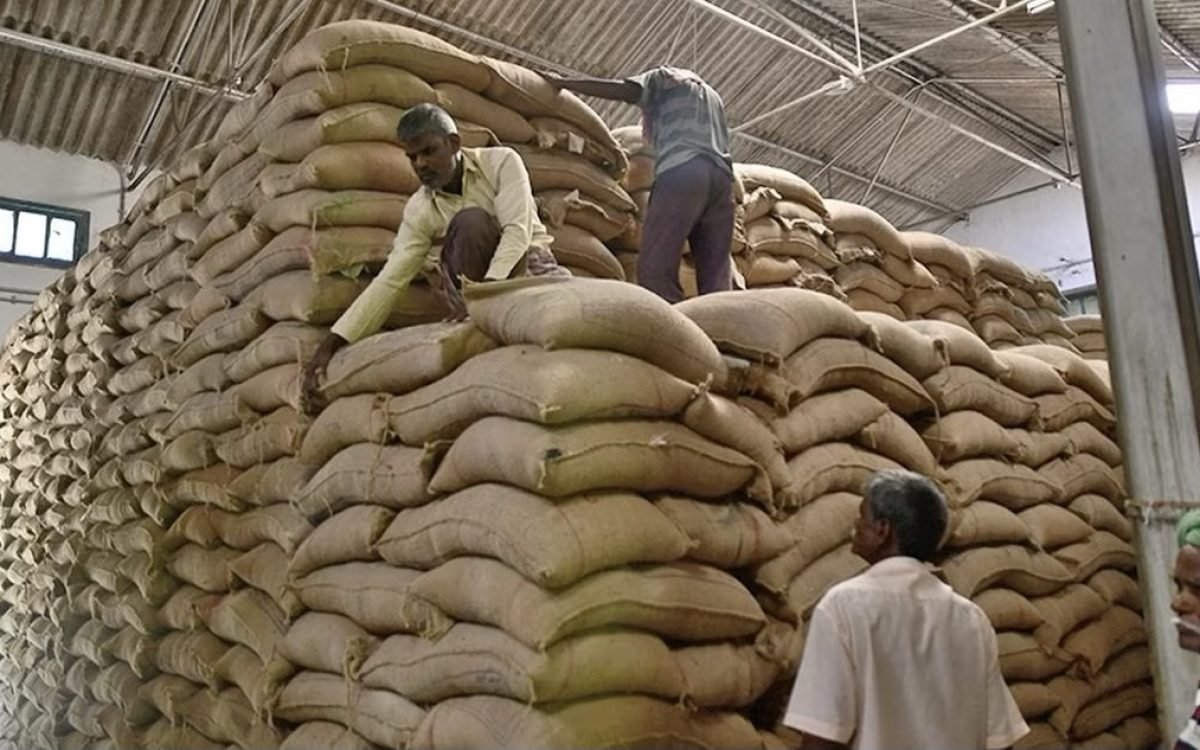
Public stockholding stands as a cornerstone in the pursuit of food security, especially for developing countries striving to ensure sustenance for their populations and bolster rural development. At the heart of this issue lies the right of developing countries to leverage the Special Safeguard Mechanism (SSM) to shield against import surges or abrupt price declines, thus safeguarding their agricultural sectors from destabilizing fluctuations.
The forthcoming 13th WTO Ministerial Conference, slated to commence on February 26 in Abu Dhabi, provides a pivotal platform for addressing these concerns. The G-33 group, as articulated in their ministerial statement, advocates for concerted efforts among WTO members to forge a permanent solution on the matter of public stockholding. Central to this endeavor is the recognition of public stockholding programs as vital policy instruments, facilitating government procurement of staple crops such as rice and wheat at minimum support prices (MSP) to ensure accessibility for vulnerable populations.
In light of the socioeconomic imperatives intertwined with food security, the urgency of devising concrete solutions cannot be overstated. The G-33’s call to action underscores the collective responsibility to prioritize the well-being and livelihoods of millions reliant on stable agricultural systems.
As the highest decision-making body within the WTO, the Ministerial Conference bears a weighty responsibility in charting the course towards equitable trade practices that uphold the interests of all member nations. Beyond mere rhetoric, tangible steps must be taken to bridge existing divides and foster inclusive dialogue conducive to meaningful progress.
In crafting a sustainable framework, it is imperative to heed the diverse needs and realities confronting developing nations, particularly in their quest for food sovereignty and rural empowerment. A holistic approach that integrates the perspectives of all stakeholders is indispensable in forging consensus and laying the groundwork for enduring solutions.
Moreover, the looming specter of climate change further underscores the urgency of fortifying global food systems against mounting uncertainties. By fostering resilient agricultural practices and promoting adaptive measures, the international community can mitigate the adverse impacts of environmental variability on food production and distribution.
In conclusion, the G-33’s impassioned plea for action resonates as a clarion call for collective solidarity and proactive engagement in addressing the multifaceted challenges confronting agricultural trade negotiations. As the world grapples with evolving geopolitical dynamics and shifting economic landscapes, the imperative of fostering inclusive and equitable trade relations has never been more pronounced. It is incumbent upon WTO members to seize the opportunity presented by the Ministerial Conference to forge a path towards a more just and sustainable global trading regime, one that upholds the principles of food security, sovereignty, and shared prosperity for all.