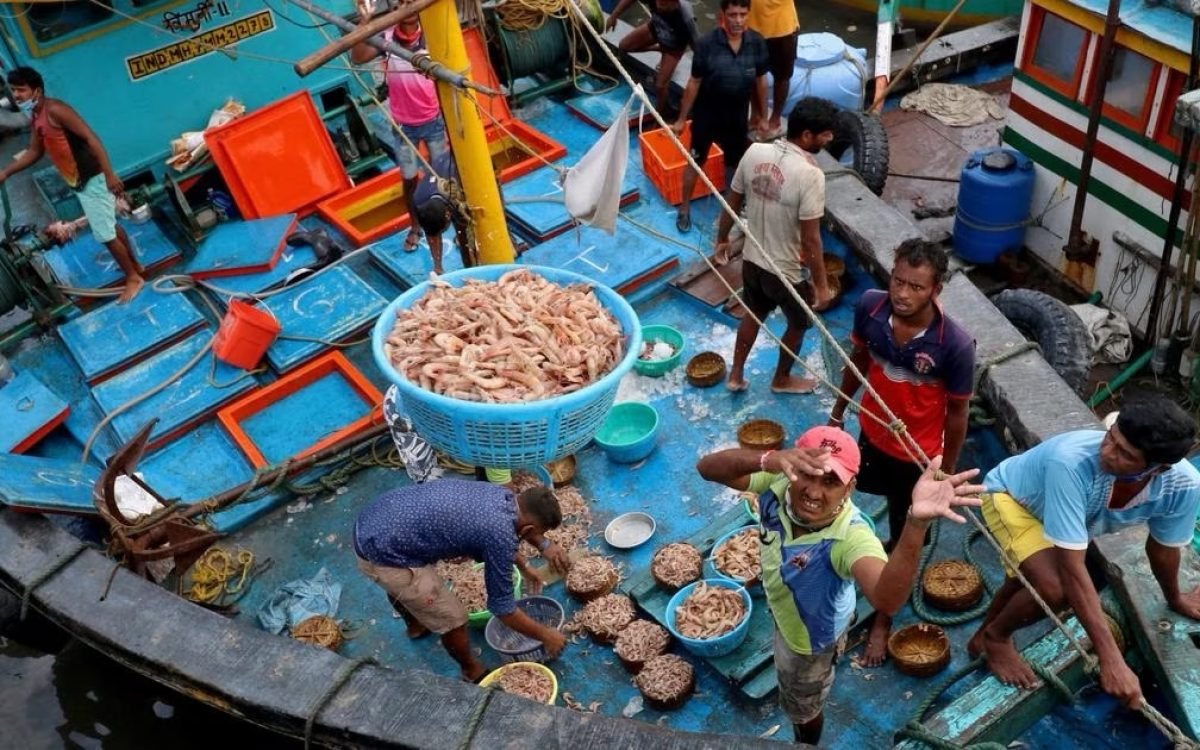
As world leaders prepare to convene at the 13th Ministerial Conference (MC13) of the World Trade Organisation (WTO) in Abu Dhabi from February 26 to February 29, India is poised to champion the interests of its artisanal fishers while navigating the complex landscape of fisheries subsidies.
The focal point of discussions at MC13 will revolve around the regulation of fisheries subsidies, particularly those that contribute to excessive fishing effort and capacity. These subsidies encompass a wide array of support mechanisms, ranging from vessel construction and modernization to fuel purchases and income support.
In December 2023, the World Trade Organisation chair released an explanatory note on the draft text aimed at curbing subsidies that fuel overcapacity and overfishing. Central to the proposed measures is the requirement for member countries to demonstrate sustainability considerations for the fish stocks upon which subsidies are bestowed.
The note outlines a tiered approach to scrutiny, with the 20 largest providers of subsidies subjected to the most rigorous assessment. Conversely, least-developed countries and developing country members with a global share of marine catch not exceeding 0.8% (de minimis) would be exempted from the core prohibition on subsidies.
India’s stance at MC13 underscores a delicate balancing act: fostering the growth of the fishing sector while safeguarding the livelihoods and sustainability of artisanal fishers. With a substantial coastal population dependent on fishing for their subsistence, India advocates for policies that promote equitable access to resources and mitigate the adverse impacts of unsustainable practices.
At the heart of India’s advocacy lies a commitment to promoting sustainable fisheries management practices that uphold ecological integrity and social equity. By engaging in constructive dialogue and advocating for inclusive policies, India seeks to navigate the complexities of global trade while prioritizing the well-being of its coastal communities and marine ecosystems.
As MC13 unfolds, India’s voice resonates as a beacon of stewardship and advocacy, amplifying the imperative of collective action in safeguarding our oceans for future generations. Through collaboration and consensus-building, the international community has an opportunity to forge a path towards a more sustainable and equitable future for global fisheries.